The Therapist as Witness: How a Theater Background Deepens the Healing Process
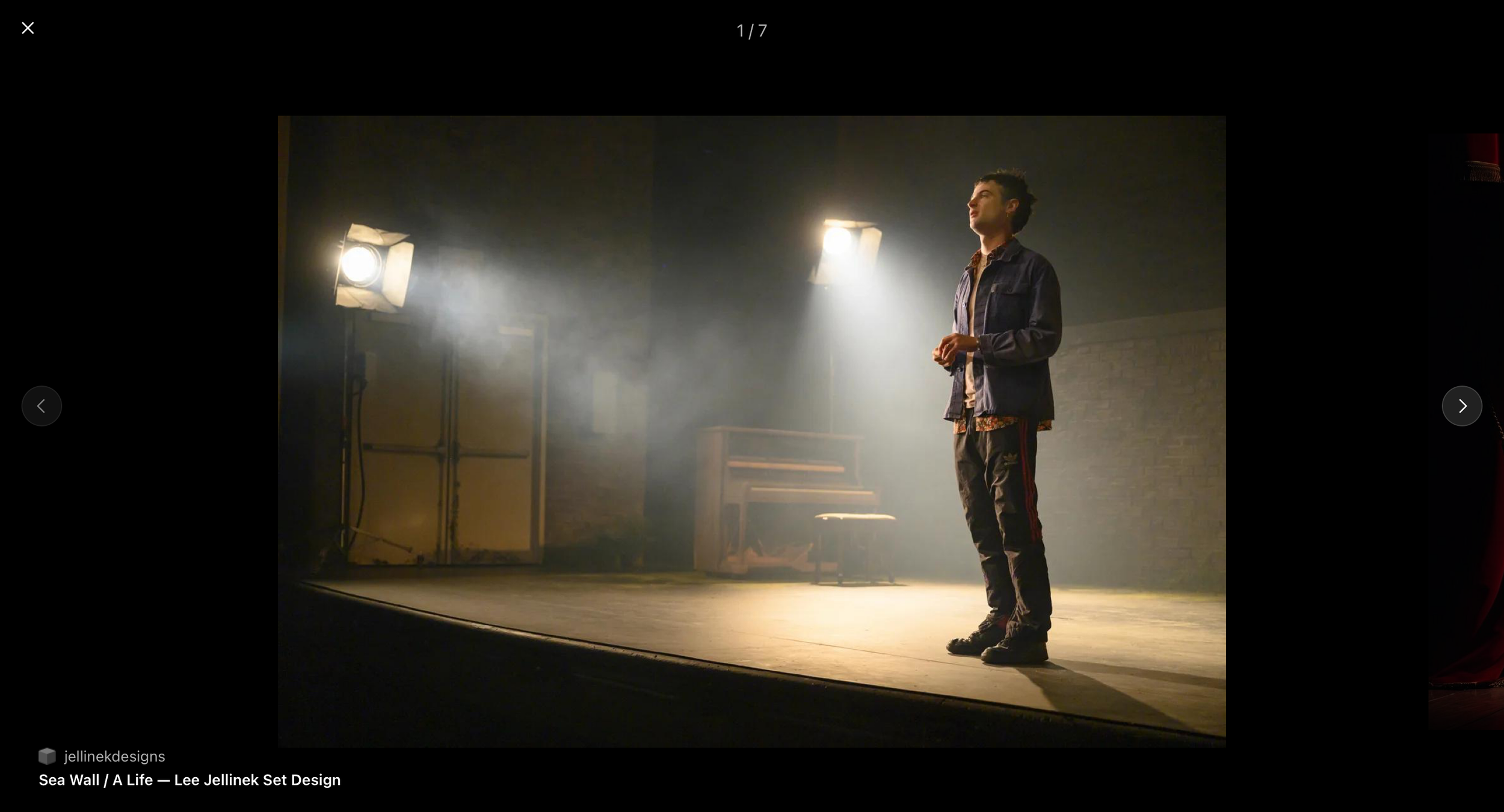
Before becoming a therapist, some clinicians learn how to listen on a stage.
Theater is often understood as the art of performance, but at its deepest level, it is the art of human understanding. Actors spend years learning how to enter another person’s world: to feel their motivations, embody their emotions, understand their conflicts, and reveal the hidden stories beneath the surface.
These same capacities are at the heart of psychotherapy.
A therapist with a theater background brings a unique sensitivity to the therapeutic relationship. They understand that every person carries a story, performs different roles, and adapts themselves to the environments in which they have learned to survive.
The Art of Entering Another Person’s World
An actor’s first question is often:
"Who is this person? What shaped them? What do they desire? What are they afraid of?"
This is also the foundation of empathy in therapy.
Rather than reducing a client to a symptom or diagnosis, a theater-trained therapist may naturally look for the deeper narrative: the experiences, relationships, cultural influences, and personal meanings that created the person sitting in front of them.
Every behavior has a history. Every defense once served a purpose. Every emotional response carries information.
The therapist, like an actor preparing for a role, learns to approach the client’s inner world with curiosity rather than judgment.
Beyond Words: Listening to the Body
Theater teaches awareness of the body as a form of communication.
Actors learn to recognize how a slight change in posture, a pause before speaking, a shift in breathing, or a change in voice can reveal what words do not express.
Therapy requires the same kind of listening.
A client may say, "I’m fine," while their body tells another story. Their shoulders tighten when they mention their family. Their voice changes when they discuss a loss. They laugh while describing something deeply painful.
A therapist with theatrical training may be especially attuned to these subtle moments, recognizing that the body often speaks before the conscious mind is ready to share.
The Roles We Play in Life
One of theater’s most powerful lessons is the exploration of roles.
On stage, characters have identities, masks, and performances. In life, we do the same.
Many people arrive in therapy carrying roles they learned early:
The caretaker.
The achiever.
The invisible child.
The peacekeeper.
The one who never needs help.
The strong one.
These roles may have protected them at one point, but over time they can become limiting. Therapy creates a space to ask:
"Who are you beyond the role you learned to perform?"
"What parts of yourself have been pushed backstage?"
"What happens when you no longer have to perform for acceptance?"
This exploration connects deeply with depth psychology and Carl Jung’s concept of the persona—the social mask we develop to navigate the world.
The goal is not to remove the mask completely. The persona serves an important function. Rather, therapy invites us to become aware of the masks we wear and to reconnect with the fuller self that exists beneath them.
Holding Complexity and Contradiction
Great theater does not create simple characters. The most compelling characters are complex. They contain contradictions.
A person can be loving and angry.
Independent and longing for connection.
Successful and deeply insecure.
Resilient and exhausted.
Therapy requires the same capacity to hold complexity. A therapist must resist the temptation to simplify human experience and instead create space for all the different parts of a person to be seen.
Healing often begins when people no longer have to reject the parts of themselves that feel unacceptable.
The Power of Story and Transformation
Theater is built on transformation. A character enters the story one way and leaves changed.
Psychotherapy is also a process of transformation.
Clients often arrive with stories shaped by trauma, family expectations, cultural messages, or painful relationships. Over time, therapy allows them to examine these narratives and discover new possibilities.
The question shifts from:
"What is wrong with me?"
to:
"What happened to me, and how can I create a new relationship with my story?"
The client becomes not only the character in their life story but also the author.
Through therapy, people can revisit old narratives, reclaim forgotten parts of themselves, and imagine new ways of being.
Creating a Space for Authenticity
A theater stage is a space where something meaningful happens. It is a place of imagination, vulnerability, and truth.
The therapy room holds a similar quality.
It is a space where people can experiment with new ways of being, express emotions that have been silenced, and encounter parts of themselves they have avoided.
The therapist is not directing the client’s life or writing their script. Instead, they accompany the client as they discover their own voice and create a more authentic relationship with themselves and others.
From Theater to Therapy: The Practice of Presence
The greatest gift theater offers psychotherapy is the practice of presence.
To truly see another person.
To listen beneath the words.
To remain open to what is emerging.
To honor the complexity of being human.
A therapist with a theater background brings not only techniques, but a way of seeing: a belief that every person carries hidden stories, unfinished scenes, and the possibility of transformation.
Perhaps therapy, like theater, is ultimately an invitation:
To step into the light.
To be witnessed.
And to discover the many selves waiting to be brought back into the story.
About the Author

“The therapeutic journey is an invitation to step onto the inner stage of the psyche—to encounter our personas, meet our shadows, and reclaim the forgotten parts of ourselves that long to return to the story.”
— Dr. Nadia Thalji
Dr. Nadia Thalji is a clinical psychologist specializing in multicultural, relational, and depth-oriented psychotherapy. Before becoming a psychologist, she studied and became a professional theater and performance artist, an experience that continues to shape her understanding of human experience, embodiment, storytelling, symbolism, and transformation.
Her clinical work integrates Jungian and depth psychology, psychodynamic approaches, somatic awareness, mindfulness, and cognitive approaches to support individuals and couples navigating identity, relationships, life transitions, and cultural complexity. Grounded in a Jungian perspective, Dr. Thalji is interested in the relationship between conscious and unconscious processes, the exploration of the persona and shadow, and the lifelong journey of becoming more fully oneself.
Drawing from her background in theater, psychology, and cross-cultural experience, Dr. Thalji views therapy as a collaborative process of uncovering hidden narratives, integrating disowned parts of the self, engaging with personal and collective symbols, and creating a more authentic and meaningful way of being in the world.