Where Is the Self in the Age of AI?
Therapy for Tech Professionals Navigating Acceleration, Uncertainty, and Identity in the Bay Area
In the San Francisco Bay Area, transformation is not an abstract concept — it’s a daily demand.
Entire job functions are being replaced or redefined by artificial intelligence. Engineers are retraining mid-career. Product managers are being asked to integrate AI into workflows that once required human discernment. Designers are competing with generative systems. Founders are racing to pivot before markets shift again.
For many high-performing professionals, the external question is:
How do I stay relevant?
But the internal question is quieter — and often more destabilizing:
Who am I becoming in the midst of this?
The Psychological Cost of Acceleration
AI is not just changing technology. It is changing identity.
Many Bay Area professionals are experiencing:
AI-related job insecurity or forced reskilling
Loss of mastery in roles they once excelled in
Ethical tension about the tools they are building
Chronic nervous system activation from nonstop innovation cycles
Productivity pressure in a culture that rarely rewards rest
A sense that the world feels economically, socially, and politically unstable
The news cycle amplifies economic disparity, layoffs, geopolitical tension, and social fragmentation. The pace feels relentless.
The nervous system does not evolve as quickly as technology.
When productivity increases but existential ground feels shaky, anxiety rises. Burnout deepens. Sleep suffers. Relationships strain.
Externally: optimization.
Internally: disorientation.
AI Anxiety Is Real
Even among highly skilled professionals, there is a growing phenomenon we might call AI anxiety:
“Will I be replaced?”
“Am I falling behind?”
“Is my expertise becoming obsolete?”
“If machines can think, create, diagnose, design — what is uniquely human about me?”
These questions are not simply career concerns. They are identity concerns.
In Silicon Valley and across San Francisco, many professionals built their sense of self around competence, innovation, and contribution. When the ground shifts, the psyche feels it.
The world speeds up. The self fragments.
The World Feels Less Safe
Layered onto technological disruption are broader realities:
Economic shifts and widening disparities
Political polarization
Climate anxiety
Social disconnection despite digital hyper-connection
When the external world feels unstable, productivity demands often increase rather than soften. The implicit message becomes:
Keep performing. Keep producing. Keep adapting.
But something deeper asks:
Where is my center in all of this?
The Biggest Challenge: Remaining Balanced and Truthful to Yourself
The true challenge for many Bay Area professionals is not intelligence.
It is equilibrium.
How do you remain grounded when everything around you is accelerating?
How do you maintain integrity in environments that reward speed over reflection?
How do you stay connected to your values when markets, metrics, and algorithms drive decision-making?
Where is the self in the midst of constant optimization?
Without intentional grounding, people begin to live reactively:
Responding to market shifts
Reacting to Slack messages
Tracking performance metrics
Monitoring news cycles
But rarely pausing long enough to ask:
What do I actually believe?
What matters to me?
Who am I beyond my output?
Therapy as a Stabilizing Force in a High-Pressure Ecosystem
In a region defined by innovation, psychotherapy offers something countercultural: depth, slowness, reflection.
For tech professionals, therapy can become a place to:
Process career transitions and AI-driven role shifts
Explore ethical conflicts in emerging technologies
Regulate chronic stress and high-functioning anxiety
Reconnect with intrinsic identity beyond performance
Navigate relationship strain in dual-career partnerships
Integrate ambition with psychological sustainability
Therapy is not about stepping away from ambition.
It is about ensuring ambition does not consume the self.
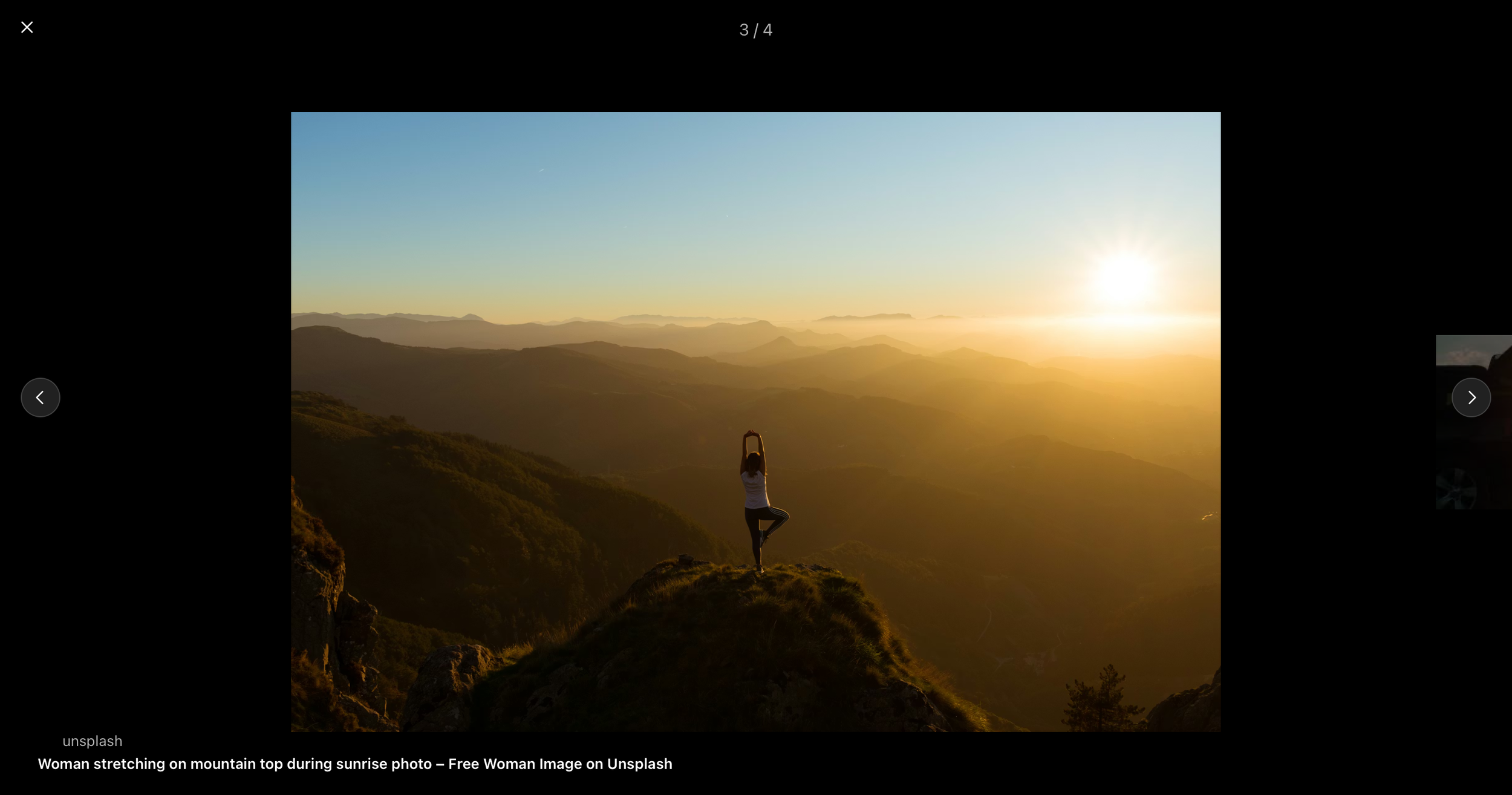
Spiritual and Nature-Based Practices: Returning to the Human
In an increasingly digital world, embodied practices matter more — not less.
Many professionals find stability through:
Time in nature (redwoods, ocean, Marin trails)
Meditation or contemplative practice
Somatic awareness and nervous system regulation
Community gatherings outside professional networks
Creative expression not driven by monetization
The Bay Area offers extraordinary natural landscapes. Yet many residents rarely pause long enough to feel them.
Nature regulates what constant connectivity dysregulates.
Silence restores what algorithms fragment.
Community anchors what productivity isolates.
Belonging in a Rapidly Changing World
One of the quietest struggles among high-achieving professionals is belonging.
When industries transform rapidly, social groups shift. Layoffs fragment teams. Remote work dissolves cohesion. Immigration, relocation, and global hiring create both richness and dislocation.
Belonging becomes fluid.
The question becomes:
How do I belong — not just professionally, but existentially — in a world that is constantly reorganizing itself?
Belonging begins internally. It requires a stable relationship with oneself.
When you are anchored in your values, your body, your emotional life, and your reflective capacity, you can engage change without losing coherence.
Reclaiming the Self in the Age of AI
AI may replicate tasks.
It does not replicate:
Meaning-making
Moral discernment
Emotional attunement
Symbolic depth
Spiritual longing
The human need for connection
The future of work may be algorithmic.
The future of psychological health remains deeply human.
In the San Francisco Bay Area — where innovation is relentless — maintaining balance, integrity, and psychological depth is not indulgent. It is essential.
The question is not whether technology will continue to evolve.
It will.
The question is:
Will you remain connected to yourself as it does?
Seeking Support
Psychology Bay Area offers depth-oriented psychotherapy for executives, engineers, healthcare professionals, AI innovators, and creatives navigating high-pressure careers and rapid technological change.
If you are experiencing AI anxiety, burnout, career transition stress, or identity shifts in today’s evolving landscape, therapy can provide a grounded, reflective space to recalibrate and reconnect.
In a world that accelerates, depth becomes an act of resilience.
If you'd like, I can now:
Create an SEO meta title + meta description optimized for “therapy for tech professionals Bay Area”
Write a shorter LinkedIn version to drive traffic
Add a call-to-action section tailored to executives
Or craft a second version that leans more explicitly into ethical AI and moral injury themes